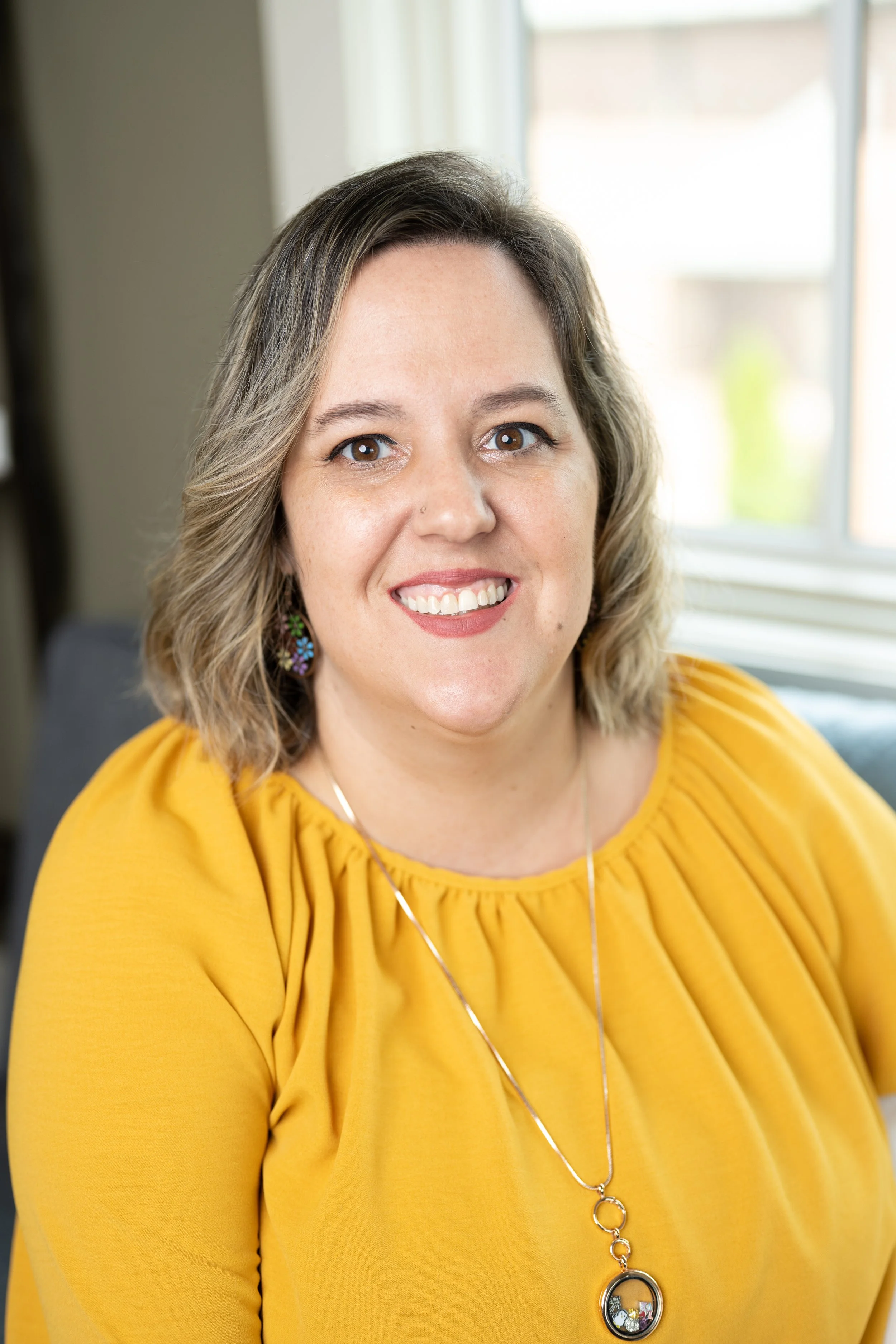
Rachel Greenlaw, M.Ed., LPC
Trauma, Sexual Health, Crisis, Individuals & Young Adult Therapist
Rachel works with children, adolescents, and adults with particular interests in trauma, sexual health, relationship concerns, anxiety, crisis recovery, and major life challenges. Her clinical experience spans a wide range of settings and populations, which allows her to meet clients with curiosity rather than assumptions about what their story is supposed to look like.
Trauma has been a consistent focus throughout Rachel’s work. She has experience with several rape crisis centers in the Birmingham, Shelby County, and Tuscaloosa areas, supporting survivors of sexual assault, interpersonal violence, and domestic violence. She is also currently working toward becoming a Level 2 Trauma Therapist, continuing to deepen her training in trauma-focused treatment.
Rachel’s background includes working with children, adolescents, and adults, including at-risk children in behavioral treatment settings and teenagers involved with the juvenile justice system. Those experiences taught her the importance of looking beyond behavior to understand the experiences, relationships, environments, and survival strategies that may be underneath it. She is comfortable working with clients whose lives or histories may feel complicated and believes people deserve a place where they can talk openly without being reduced to their worst experience or decision.
She also has professional experience in sex therapy, including individual and couples work. Rachel approaches conversations about sexuality, intimacy, relationships, and sexual concerns in a direct and nonjudgmental way. Her goal is to create enough safety for clients to talk about subjects that can sometimes carry embarrassment, shame, confusion, or fear without feeling that they need to censor themselves in the therapy room.
Rachel has additional experience conducting substance-use assessments, leading anger-management groups, and working in crisis intervention. She is trained in suicide prevention and previously spent more than a year managing a suicide-prevention line. That experience has made her comfortable having direct conversations about suicidal thoughts, hopelessness, and emotional crisis rather than avoiding them because they are uncomfortable. When those concerns arise, Rachel helps clients understand what is happening, identify supports, and determine what level of care is appropriate.
Rachel believes therapy should provide room for the whole person—not just a diagnosis, a traumatic experience, a relationship problem, or a moment when life went off course. She helps clients better understand their experiences and patterns, develop healthier ways of coping and relating, and begin moving toward a life that feels safer, more connected, and more authentically their own.